
Bridging the Divide
An evening with Michael Gove and Price Bailey
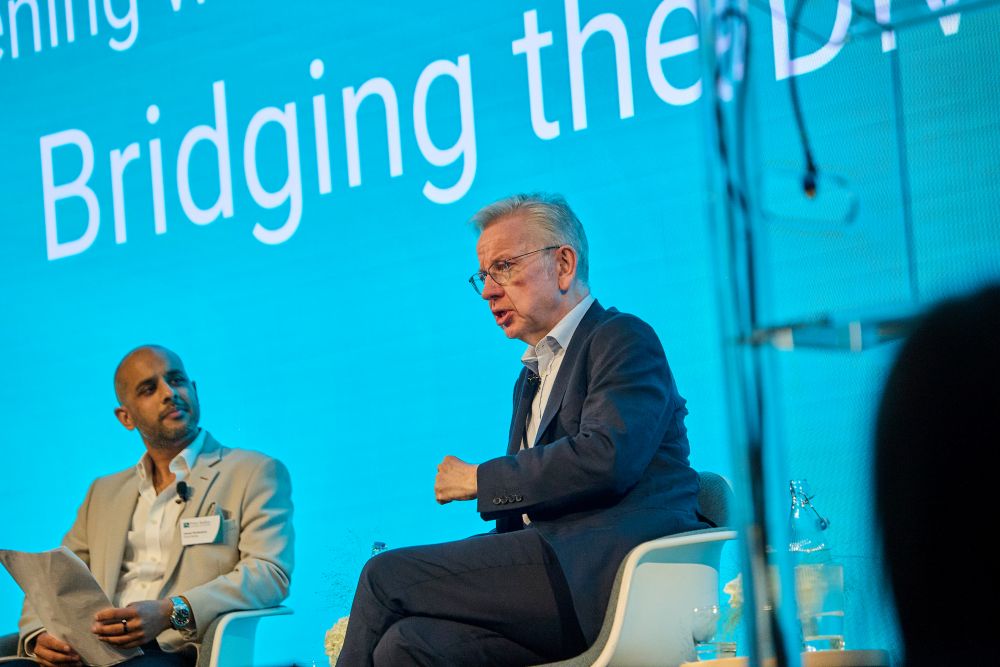
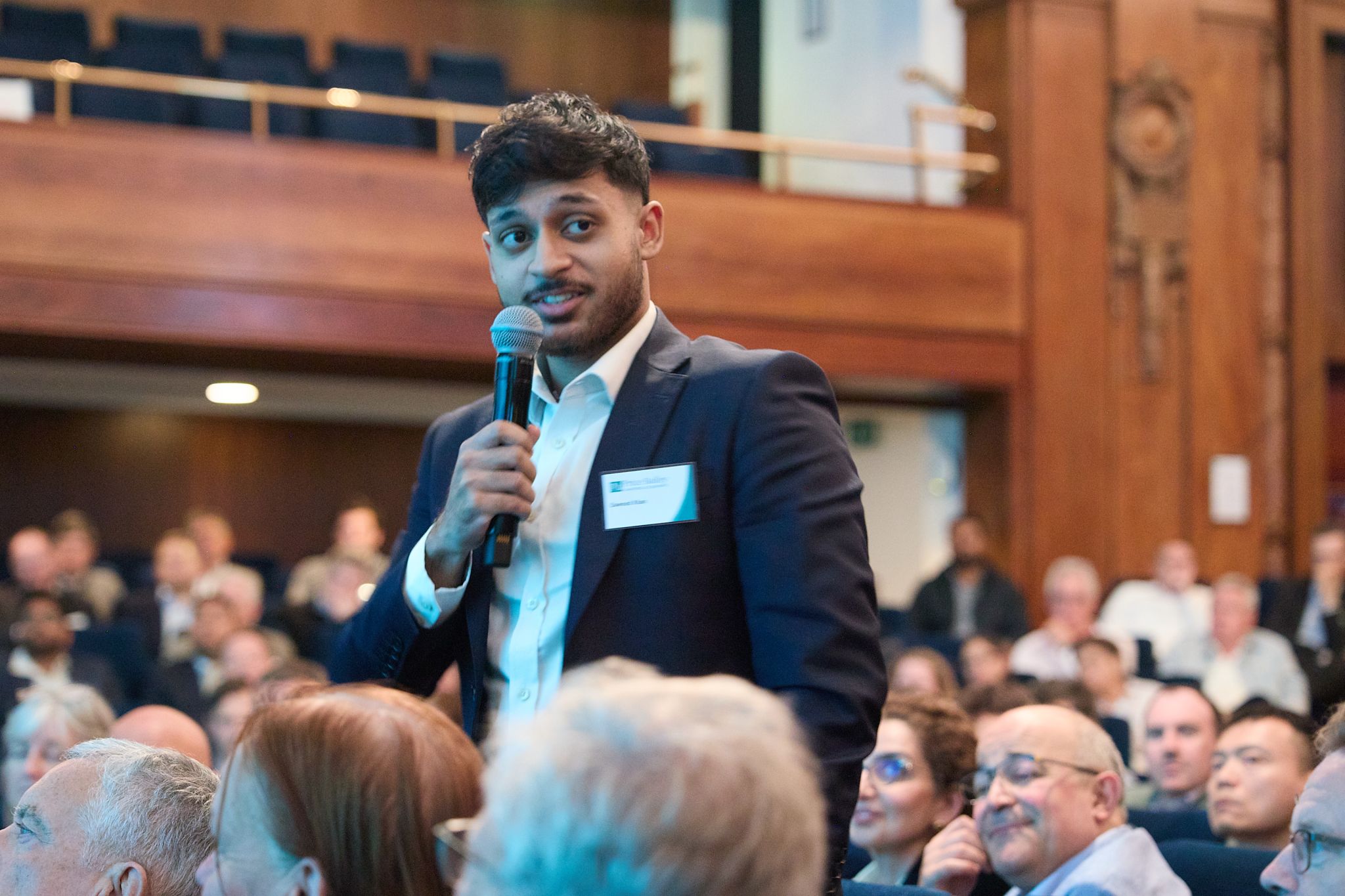
Around 400 clients, referrers and professional contacts joined Price Bailey at the IET in London on 30 September 2026 for Bridging the Divide.
The evening centred around our latest thought leadership report, the MPs and Business Leaders Survey 2026, which compares the views of more than 100 MPs and more than 500 business leaders on tax, business support and the economic outlook.
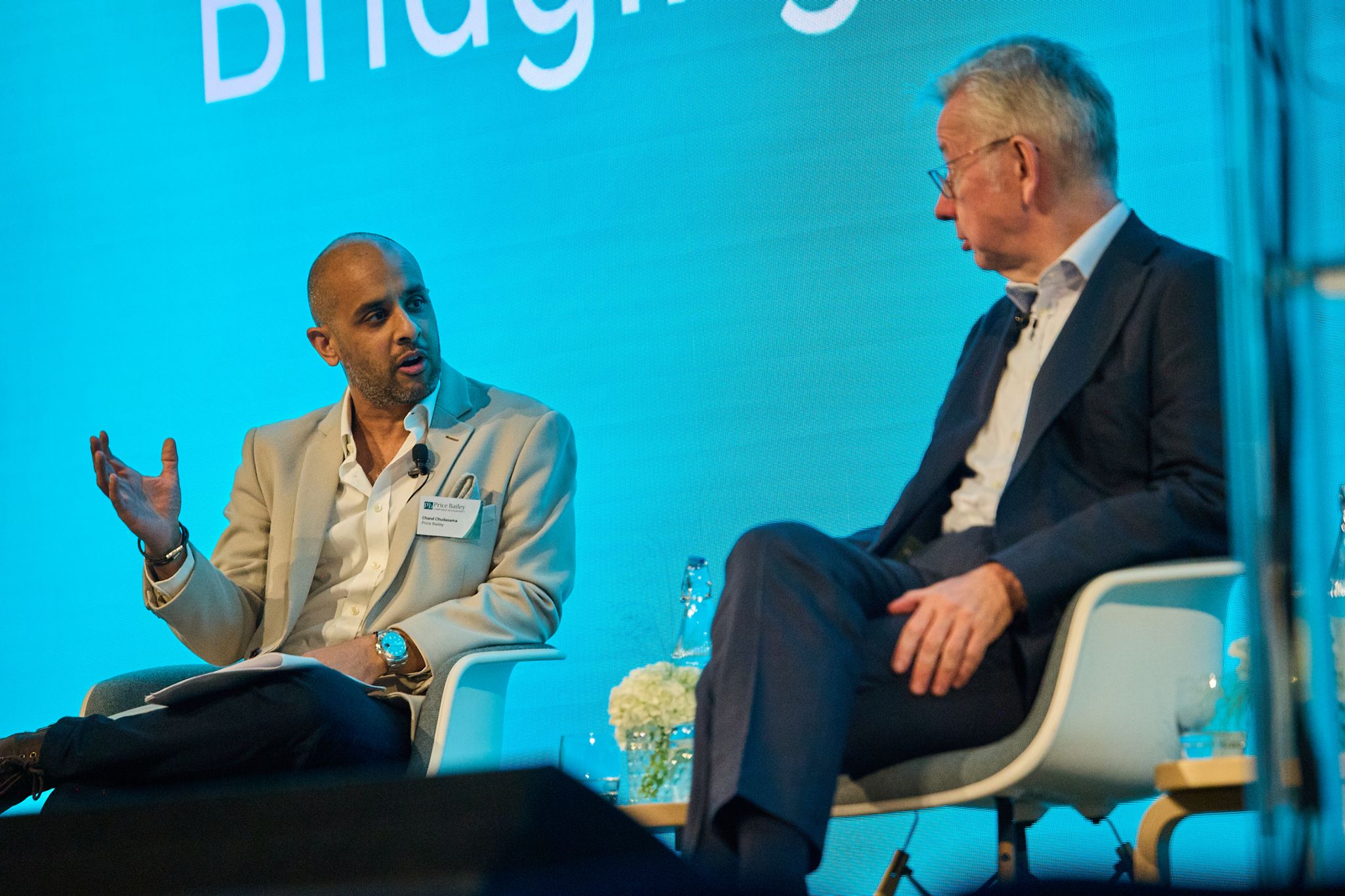
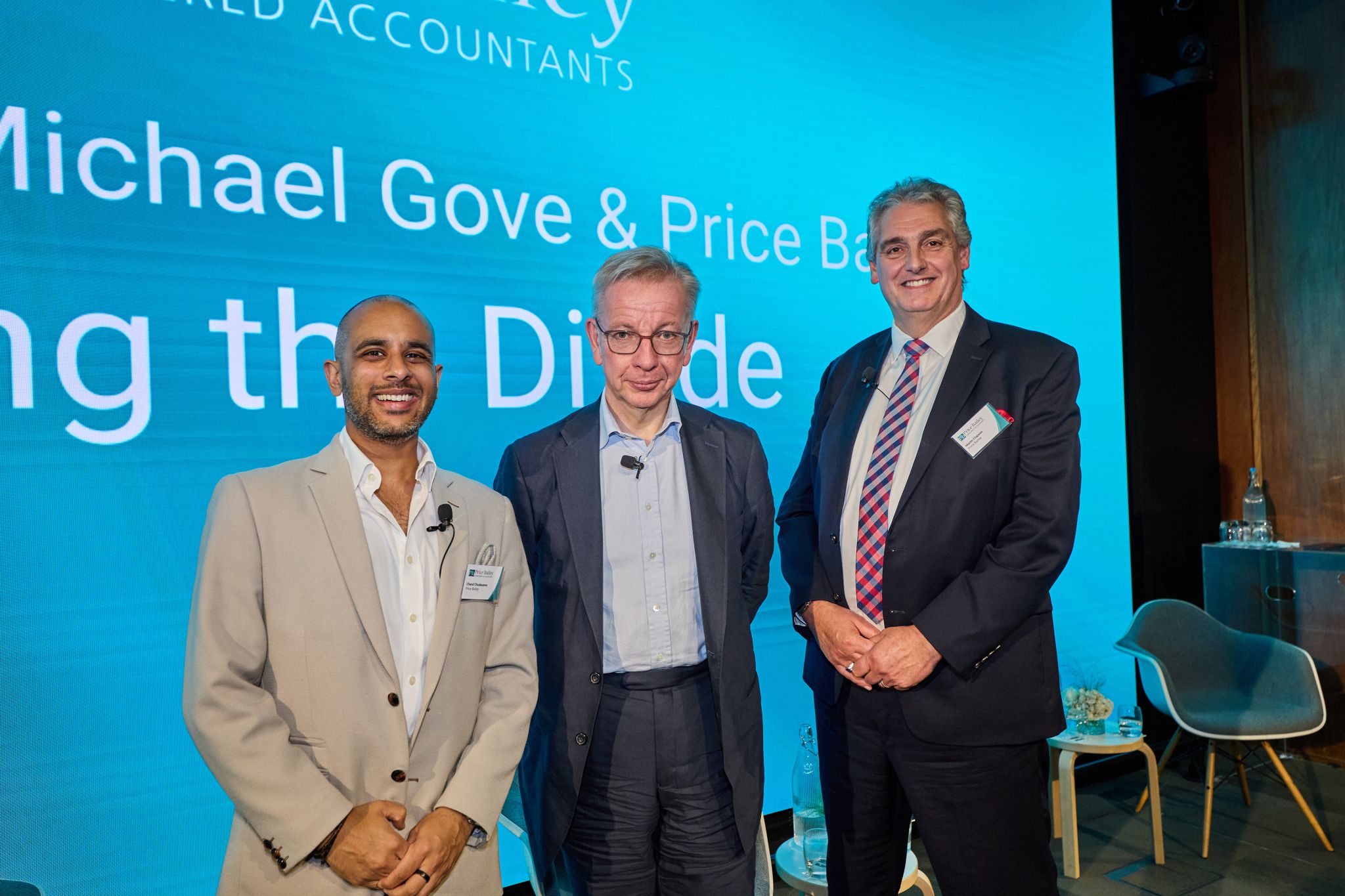
Former Cabinet minister Lord Gove was the guest speaker. In conversation with Chand Chudasama, Chairman at Price Bailey, he shared his own views about growth, tax, regulation and how decisions get made inside government.
Where business leaders and MPs agree and differ
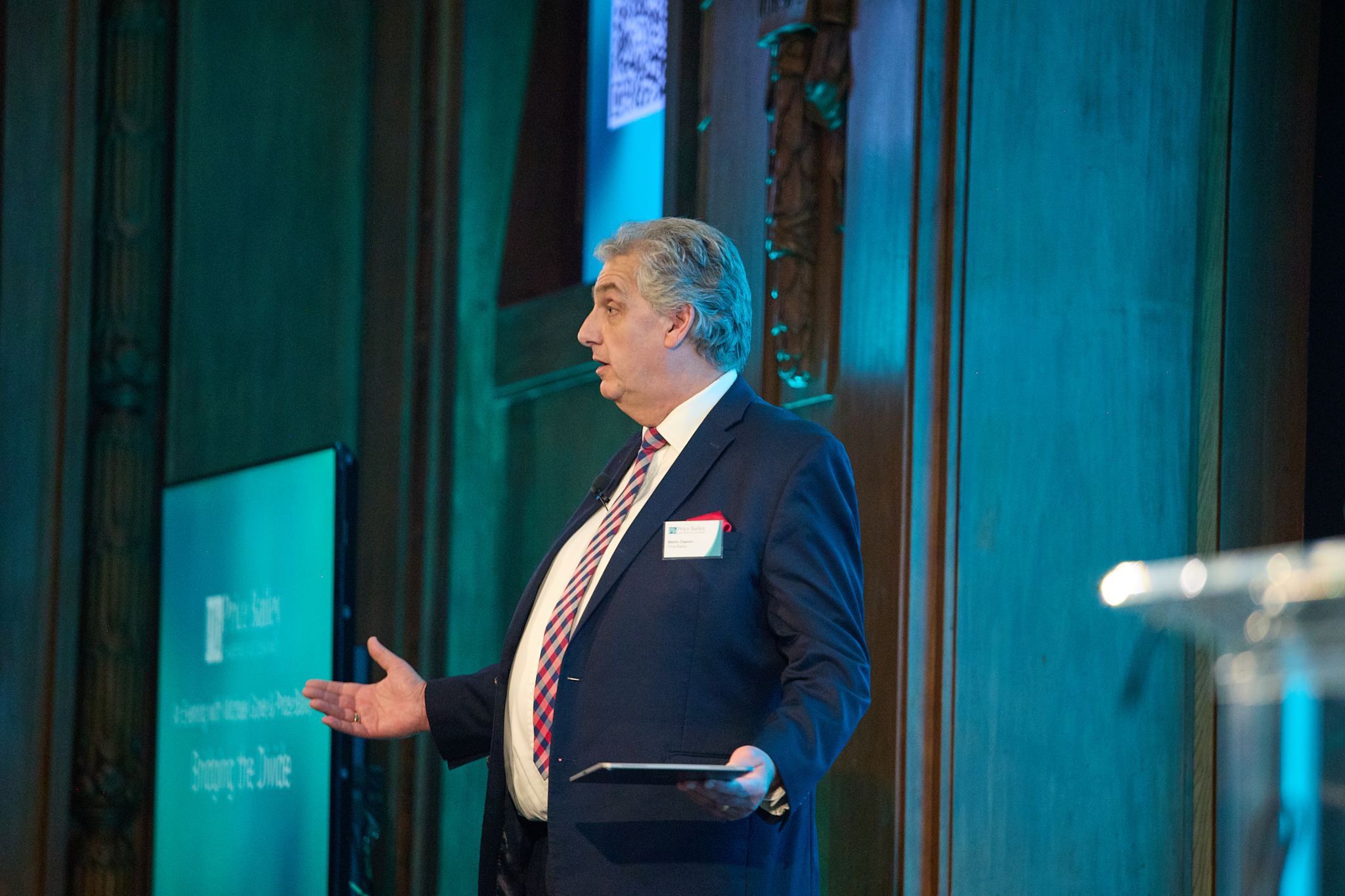
Martin Clapson, Managing Director at Price Bailey, opened the evening with the report’s headline findings. While both groups prioritise skills, infrastructure, and growth, they diverge sharply on taxation and commercial priorities.
Martin also shared three trends Price Bailey are seeing in their client work:
- Businesses are growing more slowly than in previous years.
- Business owners are becoming more cautious and selective, with a sharper focus on productivity.
- Skills shortages, regulation, tax and the difficulty of planning with confidence are the frustrations heard most often.
Tax reform
Gove argued that the Treasury’s main focus is on controlling costs, which is why it tends to be sceptical of spending now to save later, even where a scheme could pay back over time.
To fix this, he made the case for a stronger institution focused on growth to balance the Treasury.
When Chand asked Gove for his thoughts on tax policy, he asserted that a high tax burden discourages the entrepreneurs, investors and job creators who fuel economic growth.
“Policy”, he said, “should make successful people comfortable taking risks and investing in the UK economy”.
Regulation and energy costs add up
While supportive of individual worker and environmental protections, Gove raised concerns about schemes that favour process over outcomes, pointing to disproportionate fish protection requirements costing more than £700m at Hinkley Point C on the Severn Estuary.
He also named high industrial energy prices, higher hiring costs and regulatory uncertainty as the main constraints on business.
Farming, food security and Inheritance Tax
While acknowledging that no nation can produce everything it consumes, Gove affirmed that food production is a national security issue.
On the changes to Inheritance Tax affecting farmers, he argued that major policy shifts should follow a clear understanding of their consequences, stressing that funding commitments must be honoured as farms transition.
AI and the next generation
Gove expects AI to affect white-collar roles, including the graduate jobs many young people see as a natural first step. In his view, AI and defence both lack political leadership.
He also highlighted the pressure younger people face from student debt and property costs, compared with older generations who have benefited from rising asset values.
Download the report and photo gallery
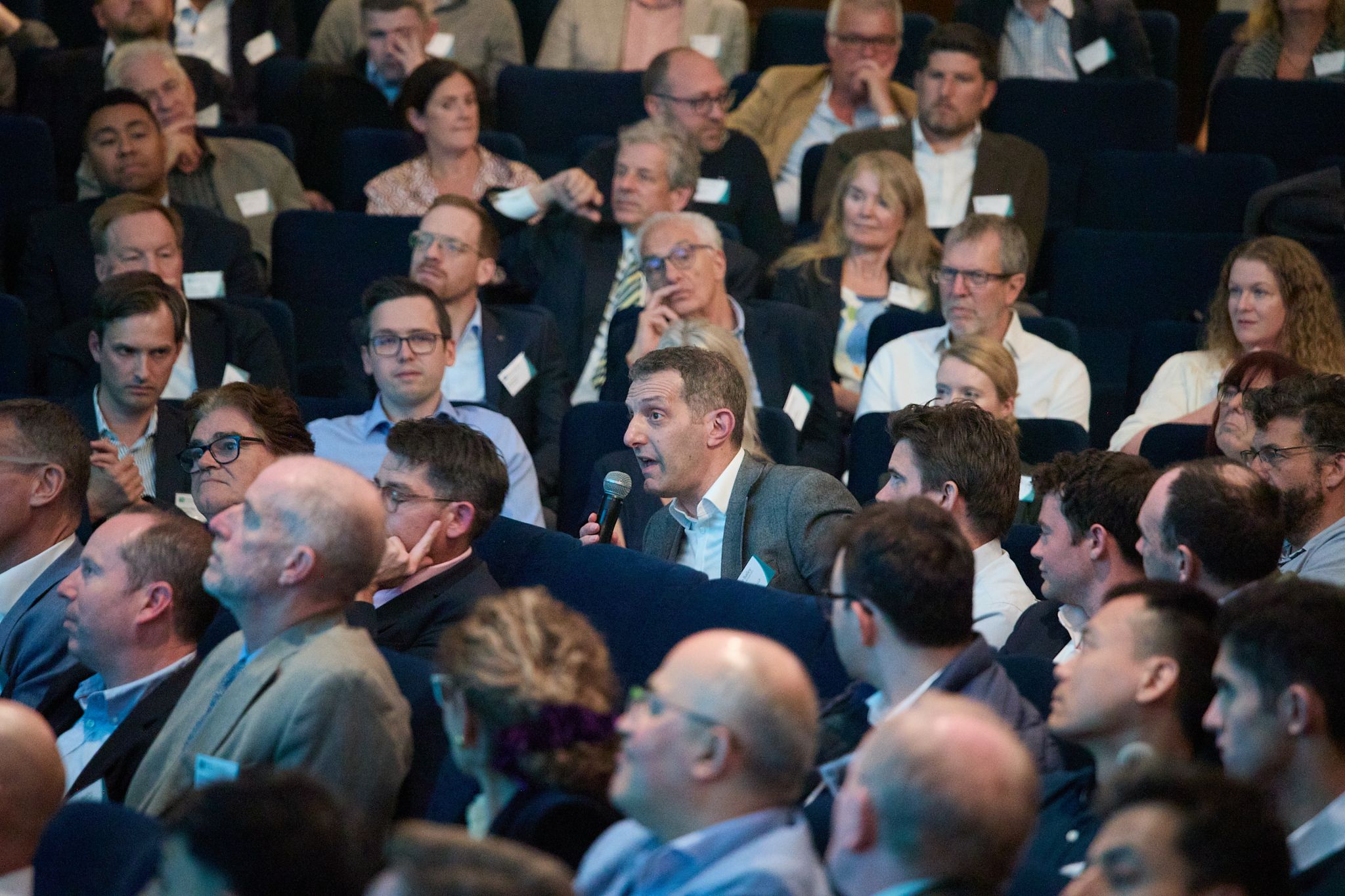
Thank you to everyone who joined us on the night and contributed to the discussion. You can see a range of photos from the night in our photo gallery.
You can also still download the report to read the full findings from MPs and business leaders.
Disclaimer: The views expressed by Lord Gove are his own and do not necessarily reflect those of Price Bailey.
Sign up to receive exclusive business insights
Join our community of industry leaders and receive exclusive reports, early event access, and expert advice to stay ahead – all delivered straight to your inbox.