
5 exciting British CleanTech and ClimateTech businesses
The Labour Government remains legally committed to reaching net zero greenhouse gas emissions by 2050, meaning any emissions still produced will need to be balanced by removals from the atmosphere. On the path to that goal, the Government has set interim targets to reduce greenhouse gas emissions by at least 68% below 1990 levels by 2030, and by at least 81% by 2035. Recently, Ed Miliband, the UK’s Energy Secretary, has called for a new target of cutting greenhouse gas emissions by 87% before 2040 to be set. He has said that the new target will protect family and business finances but was quickly met with opposition from the opposing parties. This target must be either approved or rejected by Parliament before the end of June.
With the original targets, progress has already been made, particularly through the decarbonisation of electricity and the growth of low-carbon technologies, but meeting these targets will require continued investment, innovation, and delivery across every part of the economy.
This creates a significant opportunity for UK businesses specialising in clean technology. From renewable energy and battery storage to carbon capture, green transport, energy efficiency, and climate data solutions, cleantech companies are helping to turn policy ambition into practical change. In this report, we will look at how these businesses are driving the transition, the commercial opportunities emerging from the UK’s net zero agenda, and why clean technology is becoming an increasingly important part of the country’s economic future.
Characteristics of CleanTech and ClimateTech businesses
Current stage of evolution for British CleanTech and ClimateTech businesses
Data source: Beauhurst
60% of these businesses are in the early start-up stage, which is relatively unsurprising given the purpose of these businesses. It is a concern that nearly a quarter of businesses are either in the ‘zombie’ or ‘dead’ stage indicating the businesses are in the process of being wound up or lacking capital to develop further.
Data source: Beauhurst
While there is nothing unexpected in the breakdowns displayed above, it does show some of the focuses of these sectors. Namely, renewable energy, energy management and reduction, electric and hybrid vehicles, and innovative technologies.
Fundraising activity over the past 10 years
Fundraising activity for British CleanTech and ClimateTech businesses
Data source: Beauhurst
Over the past 10 years, more than £15bn has been raised by UK CleanTech and ClimateTech businesses through mainly equity fundraising, according to data from Beauhurst. There was an overall positive trend in both the total value raised and deal count up until 2022, which saw a peak of £2.8bn. The following year of 2023 saw a slight decrease of 7% in total deal value, with 2024 seeing a further decrease of 20%. While 2025 saw an increase of 19%, it still remained 12% below the peak of 2022. Despite this, it is still encouraging that we are seeing sustained levels of fundraisings that are around the level seen pre-pandemic.
Deal counts have been experiencing a downward trend over the past two years, despite the total value of fundraising raised being relatively stable. This is a trend we have seen with several different sectors now, implying that there is more of a push towards quality over quantity when it comes to fundraising deals.
Comparison of investment levels into British CleanTech and ClimateTech businesses over the past 10 years from domestic and international investors
Data source: Beauhurst
Despite the market’s domestic orientation, with UK-based investors contributing a known £2.4bn over the past 10 years, international interest is substantial.
Of the investment amounts disclosed, the United States contributed a significant 40% (£638m) of known total international investment since 2015, standing out as a major investor. Japan is the next biggest contributor with a 17% share, being followed by the Netherlands, Germany, and UAE who contributed 15%, 5%, and 4%, respectively.
5 exciting British CleanTech and ClimateTech businesses
We will now place the spotlight on five selected companies operating within the sector.
Notpla
Evolution: Growth
Fundraising:
- £871k equity investment in 2017 for a 27% stake. Investors included Crowdcube.
- £4.55m equity investment in 2020 for a 31% stake. Investors included Crowdcube.
- £10m equity investment in 2021 for a 24% stake. Investors included Astanor Venture, Horizons Ventures, Lupa Systems, and Torch Capital.
- £19.5m equity investment in 2024 for a 31% stake. Investors included Astanor Venture, Catalytic Capital for Climate & Health (C3H), Horizons Ventures, Trousdale Ventures, and United Bankers.
Grants:
- £69.9k grant awarded in 2017 by Innovate UK.
- £69.8k grant awarded in 2018 by Innovate UK.
- £84.9k grant awarded in 2018 by Innovate UK.
- £316k grant awarded in 2019 by Innovate UK.
- £304k grant awarded in 2020 by Innovate UK.
- £34.5k grant awarded in 2020 by Innovate UK.
- £123k grant awarded in 2020 by Innovate UK.
- £150k grant awarded in 2021 by Innovate UK.
- £349k grant awarded in 2022 by Innovate UK.
- £1m grant awarded in 2022 by The Earthshot Prize.
- £443k grant awarded in 2023 by Innovate UK.
- £310k grant awarded in 2024 by EUREKA Eurostars.
Industries: Flowers, trees and other plants, Manufacturing, Packaging and printing, Waste management and recycling
Buzzwords: Advanced manufacturing, CleanTech, FoodTech
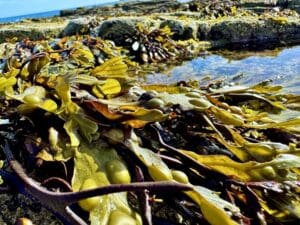
London-based Notpla are on a mission to eliminate plastic packaging by creating alternative regenerative packaging materials that are made from seaweed and plants. Their vision is to design and develop natural biomaterials that are able to address and solve real-world challenges at scale while having a positive impact on our planet. They are committed to only working with natural materials. The company was co-founded by co-CEOs Garcia Gonzalez and Pierre Paslier.
Their journey started in 2013 at London’s Imperial College where their co-founders worked together to develop an edible water bubble prototype, which would be named Ooho. The beginning prototypes were all made by them by hand in their student kitchen, where they enlisted their friends and family to try their different formulations. The name was derived by people’s reaction to trying these edible liquid balls. In the present, Ooho is being offered at Marathons in an effort to reduce plastic waste. It has already been successful at high-profile events like the London Marathon, Gothenburg Half, Zevenheuvelenloop, Bari Half, Tough Mudder, and the Vitality Half Marathon.
Since the creation of Ooho, Notpla has developed a range of products. A stand-out is their food packaging that works and looks like traditional packaging but has no plastic or hidden toxins. The packaging is lined with their unique seaweed coating that is grease resistant, biodegradable, and free from PFAs (per- and polyfluoroalkyl substances, also known as forever chemicals). It is the first coating to be completely plastic-free and was the first patented material to be the first and only to meet the EU’s Single Use Plastic Directive standards for being truly plastic-free.
Building on this, they created the world-first plastic-free window, that is featured in their latest range of coated to-go boxes called the SeaView collection. This collection is the first deli packaging with a clear window that is made entirely from seaweed, making it completely natural, compostable, and recyclable.
It has been shown through LCA data, which has been third-party reviewed, that Notpla’s seaweed-based packaging has up to 79% less embodied CO2e greenhouse gas emissions compared to conventional plastic alternatives like Polypropylene (PP). The reduction is still 39% when it is instead compared to a PLA-lined kraft box. To date, Notpla has replaced 31 million single-use plastic units.
They also have on offer:
- The Notpla Gen 1 espresso cup: Made through a collaboration with The Earthshot Prize, Klabin, and Macaw Coffee, it had its debut in Rio during Earthshot Week 2025. The cup’s interior surface has a coating of Notpla’s seaweed material, ensuring that the coffee touches no plastic. However, in order for there to be a functional seal, a small amount of industry-standard adhesive is currently used at the base and seam. In development already is Gen 2, which will solve this problem with a natural adhesive.
- Notpla Ice Cream Spoon: Seaweed-based compostable spoons designed to disappear naturally, as they contain no plastics or PFAS, without sacrificing performance. They are smooth and durable, but without the wood taste or paper mush that other plastic spoon alternatives have.
- Notpla Seaweed Paper: Made from seaweed by-products, previously considered just waste, instead of virgin pulp. It prevents four tonnes of trees from being cut down for every one tonne of seaweed by-product and it has 88% lower Global Warming Potential (GWP) compared to conventional virgin pulp paper.
- Notpla Pipettes: The plastic-free solution for portioned oil that delivers convenience without waste. It is made from completely natural seaweed-based materials, making it biodegradable and home-compostable.
In addition, they have a few products currently in development, coming soon, or at the protype stage including:
- Energy gel pods: Based on their Ooho product, this is described as edible energy for the conscious athlete.
- Laundry sachet
- Dry Food sachet
- Bath Oil sachet
In October of last year, Notpla, together with Plastek UK, won the Sliver for Supplier Innovation of the Year award at the 2025 Pentawards. This was in recognition of their successful launch of the Kelpy Bone, the first seaweed-based dog toy. It is made by using Notpla Rigid, an injection-mouldable material made from entirely natural ingredients.
They worked in partnership with Wembley Stadium connected by EE, the UK’s largest live event venue, and hospitality provider Delaware North to bring regenerative food packaging to UK live music. More than 350,000 items of Notpla’s seaweed-based trays and boxes were used by Wembley’s food and beverage outlets over the duration of ten consecutive concerts. This set a new benchmark in sustainable packaging for major entertainment venues as well as providing support to Wembley’s long-term goal of reducing its environmental footprint.
Announced early this year, Notpla is returning to where it all started by partnering with Imperial College London to reduce single-use plastic across the University’s catering operations, in line with their Sustainable Imperial strategy. It is expected that the partnership will replace more than 450,000 units of single-use plastic containing packaging over the course of this next year, resulting in 1,185kg of plastic being saved and cutting 13,300kg of carbon emissions. Together, they are exploring further opportunities to expand the initiative across the University’s campuses.
In June of this year, they were awarded with two awards at the Footprint Awards, who focus on bringing together all involved in driving sustainability across foodservice, hospitality, and the wider supply chain. They won the Innovation in Packaging Award for their SeaView range and the Sustainable Use of Natural Resources Award for their work with seaweed as a material.
Modern Synthesis

Evolution: Venture
Fundraising:
- £4.41m equity investment in 2022 for a 1% stake. Investors included Acequia Capital, AgFunder, Climate Capital, Collaborative Fund, IMO Ventures, Parley For The Oceans, Petri Bio, Ponderosa Ventures, Possible Ventures, Taihill Venture, and Business Angels.
- £4m equity investment in 2024 for a 1% stake. Investors included Artesian Capital, Collaborative Fund, and Extantia.
Grants:
- £50k grant awarded in 2020 by Innovate UK.
- £78.2k grant awarded in 2021 by Innovate UK.
- £310k grant awarded in 2023 by Innovate UK.
Industries: Biotechnology, Fabrics and textiles, Provision of raw materials
Buzzwords: CleanTech, Life sciences, Synthetic biology
Founded in 2019, the initial beginnings of London based Modern Synthesis began during co-founder Jen Keane’s (CEO) Central Saint Martins MA project, This is Grown. Upon being inspired by her previous time working with Adidas and Nike, she decided to re-envision the product design process by growing the upper part of an athletic shoe with only bacterial nanocellulose and one continuous yarn. During this project, she collaborated with scientists from Imperial College London, including Modern Synthesis co-founder Dr Ben Reeve (CTO) (PhD in Bioengineering), who discovered and sequenced the strain of bacteria that they now employ to produce their novel biomaterials today. Their collaboration was both a response to the ongoing plastic crisis and an attempt to prove the profound design and performance possibilities of new biomaterial technologies.
By building upon 3.8 billion years of microbial evolution, they are crafting an entirely new class of natural materials that are circular by nature and customisable by design, displacing animal and fossil fuel derived alternatives, such as plastic films and leathers. Their technology is addressing 5 related challenges: GHG emissions, waste, land use, plastic pollution, and animal welfare.
Their process for creating these materials starts with them feeding bacteria agricultural sugars, as they naturally convert these sugars into nanocellulose, nature’s finest form of cellulose. This is the building block of the natural world, with cotton, linen, and hemp all being cellulosic. Nanocellulose fibres have a unique strength, being 8x stronger than steel, and have a natural binding ability. Both of these features are due to them being produced at nanoscale. Their patent-pending biotechnology process combines a biofilm with a natural textile, creating a nonwoven material.
At the beginning of this year, they successfully completed a funding round of $5.5m. This investment was led by Extantia Capital, with participation from Artesian and Collaborative Fund. The purpose of this funding is to expand production at Modern Synthesis’ pilot facility and to service fashion bands on their growing waitlist.
Modern Synthesis worked in collaboration with two other biomaterial companies under the Korvaa Consortium to create shoes made by using mycelium, bacterial nanocellulose, and biodegradable plastics. Modern Synthesis were in charge of the upper part of the shoes. They transformed bacterial nanocellulose into the upper fabric. Ourobio 3D printed the bottom of the footwear using polyhydroxyalkanoates (PHAs), biodegradable polyesters made from plants or bacteria. They are infused with mycelium by Ecovation, so that the bottom part of the shoes turn into lightweight and robust soles. In the final stages, shoemakers combine all the materials together, with laces and linings made from cotton and lyocell. The shoes were unveiled during the Future Fabrics Expo 2025 in London, which ran between June 24th and 25th.
Ace Aquatec
Evolution: Established
Fundraising:
- £1.27m equity investment in 2019 for a 10% stake. Investors included Aqua-Spark.
- £1.27m equity investment in 2020. Investors included Chroma Ventures.
- £4.11m equity investment in 2022 for a 20% stake.
- £2.5m equity investment in 2023. Investors included Earth Capital.
- £10.4m equity investment in 2025 for a 37% stake. Investors included Aqua-Spark, Scottish Venture Fund, and Stolt Ventures.
Grants:
- £100k grant awarded in 2013 by SMART Scotland: Feasibility Study Projects.
- £100k grant awarded in 2014 by SMART Scotland: Feasibility Study Projects.
- £194k grant awarded in 2016 by SMART Scotland: Research and Development Projects.
- £171k grant awarded in 2016 by Agri-Tech Catalyst – Early Stage.
- £350k grant awarded in 2022 by Innovate UK.
- £1.09m grant awarded in 2023 by Innovate UK.
- £292k grant awarded in 2023 by Innovate UK.
- £40k grant awarded in 2024 by Innovate UK.
Industries: Data provision and analysis, Electronics hardware, Energy management and reduction, Fishing and aquafarming, Ports, docks and marine infrastructure
Buzzwords: Advanced manufacturing, Artificial Intelligence, Biomass and biofuels, Clean energy, CleanTech, Digital and technologies
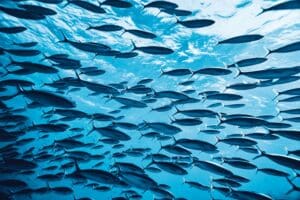
With offices in Scotland, Norway, Canada, and Chile, Ace Aquatec has been developing welfare first aquaculture technologies for more than 20 years. They partner with world leading scientific experts to apply breakthrough technological developments to aquaculture and marine industries. Since their incorporation in 2007, they have grown from a family-run business with a team of two people to a global supplier of welfare-first aquaculture solutions with a team of 40. Their IOT (Interest of Things) enabled precision products assist seafood producers, field service partners, and offshore construction providers to enhance fish welfare and optimise value.
Their aquaculture products are split into the three sections of grow, protect, and harvest:
- The key product for growth is their A-BIOMASS, an advanced underwater camera that assist farms in effectively monitoring fish welfare, preventing mortalities, and making the fish lifecycle and supply chain more transparent and traceable. By utilising machine learning and AI, it provides an accurate insight into fish pens without the need for handling or manual intervention. It is able to identify fish and critical points, like tails and fins, to accurately measure fish height, weight, and length. The camera is able to track multiple fish during the day and night at the same time.
- They have several featured products classed under protect, including:
- Mid-Frequency Acoustic Startle Response device: An acoustic technology that is designed to humanely protect farmer fish from predators. It uses a triggered mechanism that produces a sound designed to effectively target seals and sea lions, teaching them to avoid this low-volume noise with a conditioning signal that is sent across a range of frequencies to provoke a startle response, an instinctive reaction which causes a behaviour change without causing harm to the marine mammal. As it is a highly targeted system, it minimises noise pollution and remains within government guidelines. In addition, this device has an automatic duty cycle ramp-down so that the deterrent does not stay on permanently after the initial automated activation.
- A-EFENCE: Designed to prevent seals and sea lions from breaching fish farm enclosures, this is a marine-grade surface electric fence designed to withstand sever weather conditions and is able to be used in both fresh and saltwater environments. By utilising electric fields and the startle response, it trains seals and sea lions to avoid the walkways and cages of fish farms.
- Ace Aquatec have a range of harvest products. We chose two to highlight here:
- Humane Stunner Universal (A-HSU): This in-water stunner is the basis for their range of harvest products. It provides the solution for high-welfare fish stunning, while meeting the increasing demands of consumers, retailers, and regulators. The stunner ensures that a range of fish, including Atlantic salmon, Pacific salmon, trout, yellowtail, and most powerful fast-swimming fish, are stunned in less than a second while ensuring that there is minimal stress and handling prior to slaughter.
- A-HCS: Using the A-HSU, this system is able to stun and cull smolt and juvenile fish immediately without any chemicals. The system either pumps or brails juvenile fish into the entrance chute where they then flow directly into the water of the stun tube. The stun tube has an electric field that ensures that the fish lose consciousness immediately, with the journey taking about 40 seconds. The fish then fall into a harvest tub, that can hold ice in order to preserve the fish. As this happens, an integrated water pump recirculates the water. Healthy and unmedicated culled fish can be repurposed to create alternative omega-rich protein sources, such as fish oils and premium pet foods.
During this year, Ace Aquatec announced several collaborations:
- At the beginning of this year, they announced a strategic partnership with the global leader in food processing solutions, JBT Marel, who named them as their preferred supplier of fish stunning solutions. They will be able to offer customers a seamless product line that covers the entire seafood value chain from harvesting to processing solutions using data insights software.
- They entered a strategic collaboration with Aquascot, an established seafood processor, to embed AI into fish processing by using specialist cameras, validating the collection of real-time morphometric fish data, and integrating it into procession operations.
- In the latter half of this year, Ace Aquatec and Lago Sofía, known for being dedicated to smolt production through individual recirculation systems, announced they would be working together to install the A-HCS humane culling system for smolts and juvenile fish after the testing period was successful, the first installation of this system in Chile. It has already shown significant operational and environmental benefits, along with major improvements in fish welfare. Lago Sofía has already reported savings in logistics, labour, chemicals, and materials used in operations as well as efficiency improvements of up to 75% in labour savings. Additionally, there has been a significant reduction in water consumption during trials.
Along with the above collaborations, Ace Aquatec secured a £10m investment this year, with the round consisting of £7.5m in equity fundraising and £2.5m in debt facility. It was led by Stolt Ventures, with participation from Scottish Enterprise and Aqua-Spark. The funding will be used to support the creation of 15 jobs at the company’s offices in Dundee, Glasgow, and Chile, and will allow for the development of data-driven tools able to provide actionable insights to improve both fish welfare and operational performance for farmers around the world.
ETHOSA

Evolution: Seed
Fundraising:
- £25k loan investment in 2022. Investors included Virgin Startup Loan.
- £86.6k equity investment in 2022 for a 3% stake.
- £245k equity investment in 2024 for a 11% stake. Investors included Republic Europe (formerly Seedrs).
Grants:
- £10k grant awarded in 2022.
Industries: Beauty and cosmetics, Manufacturing, Online retailing
Buzzwords: CleanTech, Subscription, Vegan/vegetarian
ETHOSA, a personal care brand, is on a mission to switch up personal care and protect the planet, one shower at a time. Their founder, Gaëlle Chatelard, experienced first-hand the impact the beauty and personal care industry has on the planet and our health, during her previous work in the industry. This drove her to start ETHOSA, a company that is born from her vision to disrupt and innovate the industry by setting new planet-positive standards and empowering consumers to make confident choices.
ETHOSA created their stand-out product, shower powder, as a solution to typical shower gels being made of 95% water. There are different powders for different skin types, including dry, sensitive, and well-balanced skin. The powder is shipped to customers in eco-friendly packaging, with the powder itself sealed in 100% home compostable bags. Each customer saves 29 single-use plastic bottles every year, cutting their annual consumption of bathroom plastic by 2.9kg and lowering their carbon footprint by reducing 2.7kg of CO2eq in their household annually.
They have on offer several accessories to go alongside their shower powder:
- Forever bottle: It is made of brushed aluminium and is completely free from plastic. It is designed to work with their shower powder refills and withstand repeat in-shower use.
- ETHOSA Jute Travel Pouch: Made of jute, known as the ‘golden fibre’. Jute is recyclable, taking less than two years to biodegrade, consumes 15 times more carbon dioxide than the average tree, and is made using ethical and environmentally friendly practices.
- ETHOSA Konjac Body Sponge: An all-natural sponge that gently exfoliates, cleanses, and revitalises skin. It is made from konjac plant fibres, meaning that it is cruelty-free, vegan, home compostable, and is pH-neutral. The sponge will naturally start to break-down once it can no longer be effective.
During last year, ETHOSA raised £230k via crowdfunding on the platform Seedrs, surpassing their original goal of £150k. The purpose of this funding was to grow the brand, with the goal of expanding their reach, strengthening their brand presence and continuing their work in their mission. In the same year, they became the recipients of the Vegan Beauty Award.
Hoopsy

Evolution: Seed
Industries: Healthcare products, toiletries and living aids
Buzzwords: CleanTech, FemTech
Hoopsy’s mission is to make healthcare more sustainable. Their founder and director is Lara Solomon, who started Hoopsy after going through IVF and two failed embryo transfers. During this journey, she came to realise the sheer number of pregnancy tests that get thrown into landfill each year, with 15 million in the UK alone. Her goal is to provide sustainable healthcare products that help the planet by reducing the amount of plastic waste created by pregnancy tests going to landfill. Hoopsy got its name from the old Dutch word for hope, hoop, as those using the tests are hoping for one of two outcomes, they are pregnant or they are not.
Their Eco Pregnancy Test is over 99% accurate, on par with big brands like Clearblue and First Response, when used on the day the user’s period is due. Unlike these big brands, Hoopsy’s pregnancy test is 99% plastic free, as it is made from 99% paper, so it doesn’t take over 30 years to breakdown. The tests promise to be easy to read so that there is no guesswork, can be used up to five days before the user’s period is due, have an hCG (human chorionic gonadotropin, the hormone produced during pregnancy) sensitivity of 25mIU/ml, and provide results within 5-10 minutes. They are 50% recyclable in the paper recycling, and the paper used comes from Responsibly Managed Forests. On top of this, their packaging is completely recyclable.
Their pregnancy tests can be used in partnership with the Hoopsy Digital app that makes reading results easier. Results can be read out loud by the app, helping users who are vision impaired or need additional support to read their test. The app is not only for reading tests, but it also provides a personalised experience for users by providing guidance for the next stages of their journey. The app is free to download and does not require any personal information, therefore users’ identities and health information remain safe, secure, and anonymous. Any photo taken in the app can be saved directly to the phone’s album so that previous test results can be easily compared. Hoopsy does not retain any copies of the photos or test results unless they are shared willingly by the user for research purposes.
They are preparing to release their new Eco Ovulation tests, which like the pregnancy tests, are reliable, easy to use, and 99% free from plastic. Their other news this year includes their founder being named as one of the 25 most influential women of 2025 by STARTSUP magazine. They have also received investment from Carbon13, a venture builder who select and support thousands of entrepreneurs with a focus on those who have the potential to reduce or remove at least 10 million tonnes of CO2e per annum once at scale.
How we can help
Price Bailey have extensive experience in the CleanTech and ClimateTech industries. Our specialisms for these industries include auditing, managing complex domestic and international tax affairs, R&D, share incentives, valuations, fundraising, and providing hands on accounting support. Should you wish to discuss any of your needs with us, please contact us using the form below.
We always recommend that you seek advice from a suitably qualified adviser before taking any action. The information on this page is intended as a general guide only. While we work to keep our content accurate and up to date, we cannot guarantee that it reflects the position at the time you are reading it. No responsibility for loss occasioned by any person acting or refraining from action as a result of this material can be accepted by the authors or the firm. For more information on our editorial process, click here.
Have a question about this post? Ask our team...
Sign up to receive exclusive business insights
Join our community of industry leaders and receive exclusive reports, early event access, and expert advice to stay ahead – all delivered straight to your inbox.
We can help
Contact us today to find out more about how we can help you